
Hardening furnace
A hardening furnace is a specialized heat-treatment system used to strengthen metals by applying controlled heating and rapid cooling cycles. This process improves durability, wear resistance, and structural reliability, making hardening furnaces essential in automotive, aerospace, engineering, and manufacturing industries. Modern solutions such as those produced by SNOL provide exceptional temperature accuracy, efficiency, and long-term performance for both laboratory and industrial applications.
Ieškoti produktų
What Is a Hardening Furnace?
A hardening furnace is a specialized industrial heating system designed to improve the strength, durability, and wear resistance of metal components. The process works by heating metal to a specific temperature, maintaining that temperature for a controlled time, and then rapidly cooling it. This heat-treatment cycle changes the material’s internal structure, making it significantly harder and more resistant to mechanical stress. Modern manufacturers such as SNOL produce advanced hardening furnaces for both laboratory and industrial applications, known for their precision, reliability, and efficiency.
How a Hardening Furnace Works
Every hardening furnace follows the same core principles: heating, holding, and quenching. First, the material is heated to a critical temperature where its internal structure transforms into austenite. Precision is essential because even minor variations can affect the final hardness. After reaching the required temperature, the material is held there for a specific period to ensure structural transformation occurs uniformly. Finally, the metal is rapidly cooled using water, oil, air, or gas, depending on the desired hardness and application. This final step locks the structure in place and produces the hardened result. SNOL hardening furnaces are engineered to deliver stable temperature control and consistent results for all three phases.
Types of Hardening Furnaces
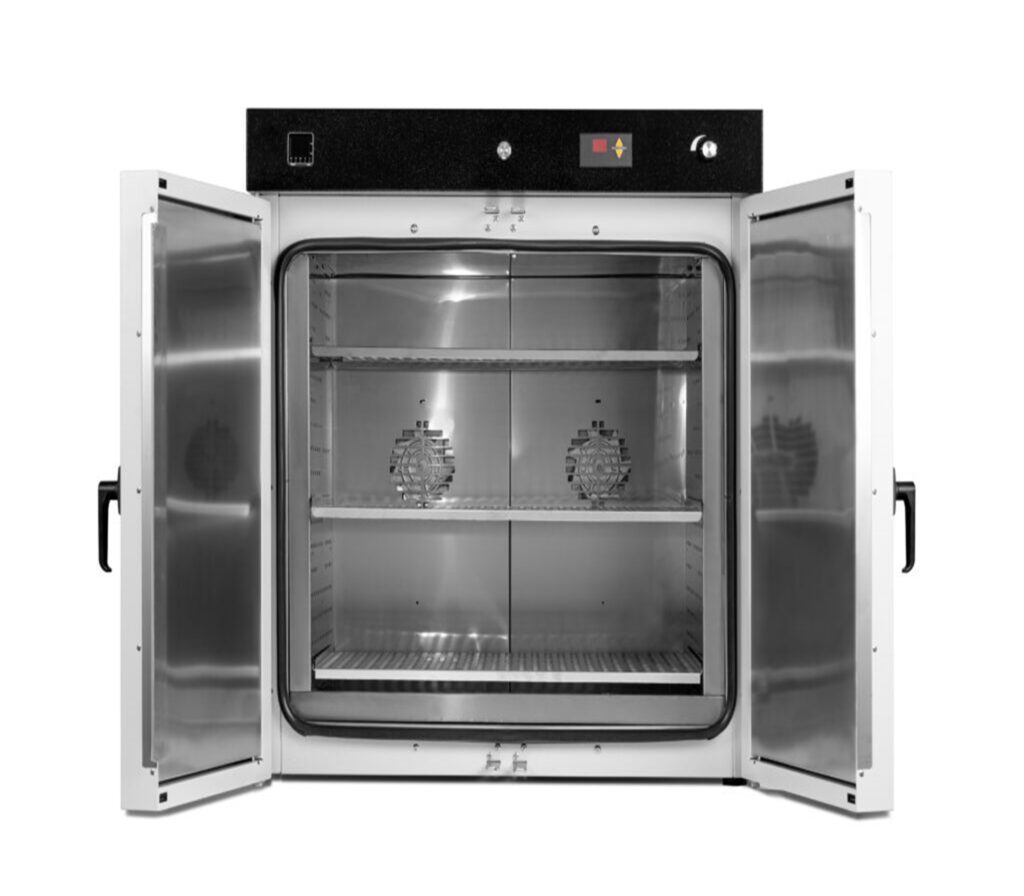
Although all hardening furnaces serve the same purpose, different designs are used depending on production needs. Box-type hardening furnaces are the most common and are ideal for general-purpose heat treatment. They offer strong insulation, even temperature distribution, and easy loading and unloading. Laboratory hardening furnaces are smaller and more precise, often used in research, testing, and small-batch production. SNOL is well-known for its laboratory models that combine high temperature limits with digital controls and compact construction. Conveyor hardening furnaces are used in continuous production where high volume and automation are required. They offer consistent, repeatable results and support large-scale industrial operations.
Key Features of a High-Quality Hardening Furnace
A modern, efficient hardening furnace should deliver several essential features. The most important is superior temperature uniformity because uneven heating can compromise the hardening quality. Durable construction ensures a long service life, especially when exposed to high temperatures and repeated cycles. Energy efficiency is another critical factor since industrial heat treatment can be expensive to operate. Advanced digital control systems allow users to program heating cycles, monitor temperature curves, and ensure consistent quality. Safety features such as overheating protection and automatic shutoff systems are equally important, especially in heavy-duty industrial environments. Manufacturers like SNOL integrate all these components into their furnace designs.
Industries That Use Hardening Furnaces
Hardening furnaces are widely used across multiple industries. The automotive sector relies on them to harden gears, shafts, axles, bearings, and other essential parts. In the aerospace industry, precision and durability are critical, so heat treatment plays a major role in strengthening turbine components and structural metals. Tool manufacturers use hardening furnaces to produce high-quality cutting tools, knives, moulds, and drill bits. In the construction and engineering sectors, hardening is used for reinforcing steel and other structural materials. Research laboratories also depend on hardening furnaces for material testing and development. Thanks to their accuracy and reliability, SNOL furnaces are widely trusted in all these fields.
Benefits of Using a Hardening Furnace
A professional hardening furnace provides several important advantages. The most significant is increased material strength, which directly improves durability and performance. Components treated in a hardening furnace last longer, even in demanding conditions, reducing the risk of mechanical failure. Another benefit is better wear resistance; hardened metals withstand friction and abrasion more effectively. Hardening also ensures higher product quality because the process delivers consistent and controlled results. Additionally, stronger and more durable materials lower production costs over time, as equipment requires fewer repairs and replacements. Precision temperature control in modern furnaces enables repeatable results even in large-scale production.
Why Choose SNOL Hardening Furnaces?
SNOL is one of the leading European manufacturers of heat-treatment equipment. Their hardening furnaces are recognized for their accuracy, long lifespan, ergonomic design, and user-friendly digital control panels. SNOL furnaces maintain stable temperature uniformity, which is essential for high-quality hardening. They are built using durable materials, advanced insulation, and high-performance heating elements. SNOL also offers custom configurations for clients with unique requirements, whether they need a compact laboratory furnace or a high-capacity industrial system. Their wide temperature range—reaching up to 1300–1800°C depending on the model—allows them to support all major hardening applications.
How to Choose the Right Hardening Furnace
Choosing the correct hardening furnace depends on several factors. The first is the required maximum temperature; different metals require different heat levels to achieve optimal hardness. The chamber size is another important factor, especially for larger industrial components. Production scale plays a major role: laboratories may need small, highly precise furnaces, while factories require larger or continuous-flow systems. Control features should also be considered because advanced digital controls improve accuracy, safety, and repeatability. Energy efficiency, reliability, and manufacturer reputation should also guide the decision. SNOL’s wide product range makes it possible to find a model suitable for nearly any heat-treatment requirement.
Conclusion
A hardening furnace is an essential tool for improving the strength, durability, and overall performance of metal components. Whether used in laboratories, factories, or advanced manufacturing environments, a high-quality furnace ensures precision, safety, and reliability during the heat-treatment process.
SNOL hardening furnaces offer exceptional engineering, stability, and long-term value, making them a trusted choice for businesses around the world. If you need a dependable hardening solution with advanced controls and high temperature capabilities, SNOL provides professional equipment designed to meet modern industrial standards.