
Industrial furnace
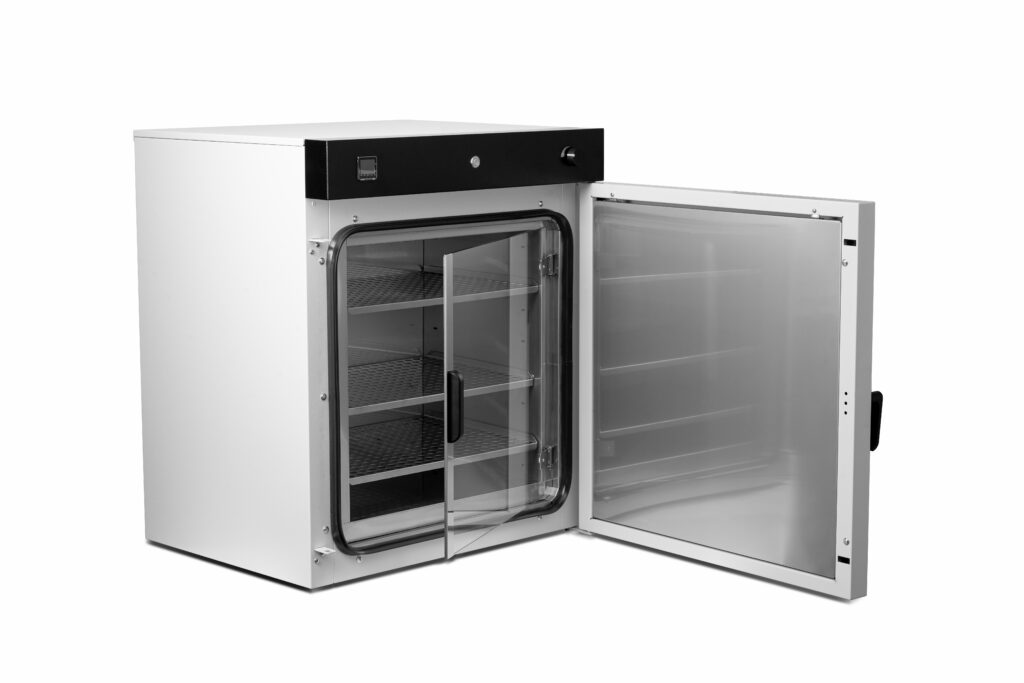
An industrial furnace is a high-temperature system used in manufacturing, metallurgy, and engineering to heat, melt, or treat materials under controlled conditions. These furnaces ensure precision, durability, and consistent thermal performance across a wide range of industrial processes. Modern solutions from SNOL combine advanced engineering, energy efficiency, and long-term reliability for demanding production environments.
Ieškoti produktų
An industrial furnace is a high-temperature system used in manufacturing, metallurgy, and engineering to heat, melt, or thermally treat materials under controlled conditions. These machines ensure precision, durability, and consistent performance across a wide range of industrial processes. Modern solutions from SNOL combine advanced engineering, energy efficiency, and long-term reliability for demanding production environments. Industrial furnaces are essential in metalworking, ceramics, glass production, automotive, aerospace, research laboratories, and other industries that require stable and accurate heat-treatment cycles.
What Is an Industrial Furnace?
An industrial furnace is a heating device capable of reaching temperatures far beyond those of conventional ovens. Unlike standard heating equipment, industrial furnaces are built with reinforced insulation, highly efficient heating elements, advanced control systems, and durable steel construction. They are used for processes such as annealing, hardening, tempering, melting, drying, sintering, calcination, and many other thermal treatments. Manufacturers like SNOL design these furnaces to meet strict requirements for temperature stability, safety, and productivity.
How Industrial Furnaces Work
An industrial furnace operates by converting electrical or fuel energy into intense heat. Most modern furnaces, especially laboratory and precision models, use electric heating elements for consistent, controllable, and clean heating. After power is delivered to the heating elements, the chamber gradually rises to the programmed temperature. Advanced temperature controllers ensure accurate heating curves and allow operators to create multi-step programs for complex industrial processes. The furnace chamber is lined with high-quality insulation materials to retain heat and reduce energy consumption. Sensors constantly monitor internal temperatures, ensuring uniformity and process stability. SNOL furnaces are engineered to maintain excellent thermal distribution, which is essential for achieving high-quality results in heat treatment.
Types of Industrial Furnaces
Industrial furnaces come in many configurations depending on the application, temperature range, and production scale.
1. Box-Type Industrial Furnaces
Box furnaces are versatile and widely used for annealing, hardening, and general heat treatment. They offer a large working space, durable construction, and excellent temperature uniformity. These furnaces are ideal for workshops, factories, and educational institutions.
2. Chamber Furnaces
Chamber furnaces are compact, efficient, and precise, making them especially popular in laboratories and small-batch production. SNOL is well known for producing high-quality chamber furnaces with intuitive controls and excellent insulation.
3. High-Temperature Furnaces
High-temperature industrial furnaces are used for sintering ceramics, melting metals, and other applications that require temperatures up to 1300°C, 1600°C, or even 1800°C. These systems use advanced refractory materials and specialized heating elements.
4. Conveyor or Continuous Furnaces
These furnaces are designed for mass production and continuous heat treatment. A conveyor system moves products through different temperature zones, ensuring consistent processing and high throughput.
5. Muffle Furnaces
Muffle furnaces isolate the sample from direct contact with heating elements, providing a clean and controlled heating environment. They are widely used in laboratory testing and materials research.
Key Features of a High-Quality Industrial Furnace
A professional industrial furnace must meet strict industrial and laboratory standards. Some of the most important features include:
Precision Temperature Control: An advanced controller ensures stable heating curves and accurate thermal cycles. SNOL furnaces include digital controllers with multi-step programming.
Uniform Heat Distribution: Even temperature throughout the chamber ensures consistent results, especially in heat treatment where precision is critical.
Durable and Heat-Resistant Materials: Industrial furnaces must handle repeated exposure to extreme temperatures without structural degradation.
Energy Efficiency: Quality insulation and modern heating elements reduce energy use and minimize operational costs.
Safety Features: Overheating protection, automatic shutoff, and robust door mechanisms ensure safe and reliable operation.
Customization Options: SNOL offers custom-built models designed to fit specific industrial processes and temperature requirements.
Industrial Furnace Applications
Industrial furnaces are used across numerous industries for different thermal processes:
Metal Heat Treatment: Hardening, tempering, annealing, normalizing, and stress relieving of steel and alloys.
Ceramic and Glass Production: Sintering, firing, melting, and glazing processes.
Automotive and Aerospace: Thermal treatment of high-strength components that must perform under extreme conditions.
Electronics Manufacturing: Thermal processing of semiconductors and electronic components.
Material Testing and Laboratories: Research institutions use industrial furnaces to test the behavior of metals, ceramics, and composites under heat.
Chemical Processing: Calcination, pyrolysis, and thermal decomposition.
Industrial furnaces provide the reliability and precision required to produce consistent, high-quality results across all these applications.
Benefits of Using a Modern Industrial Furnace
Using a high-quality industrial furnace provides multiple advantages:
High Productivity: Precise programming and stable heat distribution increase efficiency and reduce processing time.
Improved Material Quality: Stable heat treatment enhances strength, structure, and reliability.
Cost Efficiency: Energy-saving insulation reduces operating costs over time.
Long Service Life: Strong construction materials and high-quality components ensure long-term durability.
Consistent Results: Repeatable temperature control and accurate cycles ensure high production quality.
Manufacturers like SNOL design furnaces to meet modern industry standards, ensuring excellent performance and minimal maintenance.
Why Choose SNOL Industrial Furnaces?
SNOL is a leading European brand known for reliable, durable, and precise industrial furnaces. Their equipment is used in manufacturing plants, laboratories, universities, aerospace companies, automotive factories, and research centers worldwide. SNOL furnaces stand out due to:
-
Excellent temperature accuracy
-
Advanced digital controllers
-
Long-lasting construction
-
Energy-efficient insulation
-
A wide range of standard and custom models
-
Exceptional reliability in demanding industrial conditions
Whether you need a compact bench-top furnace or a large industrial unit, SNOL provides high-quality solutions designed for professional use.
How to Choose the Right Industrial Furnace
When selecting an industrial furnace, consider the following:
-
Maximum temperature requirements
-
Chamber volume and workspace size
-
Type of processes (heat treatment, melting, sintering, etc.)
-
Production scale (laboratory, medium, or industrial)
-
Energy efficiency and insulation quality
-
Required control features
-
Manufacturer reputation and service availability
Choosing the correct furnace ensures optimal results, reduced operational costs, and long-term reliability.
Conclusion
An industrial furnace is a critical piece of equipment for industries that rely on precision heat treatment, material strengthening, melting, or sintering. With advanced engineering, reliable construction, and high-accuracy temperature control, SNOL industrial furnaces offer exceptional performance for both laboratory and large-scale industrial use. Companies worldwide choose SNOL for their efficiency, precision, and long service life, making them a trusted partner in demanding production environments.