
Laboratory ovens
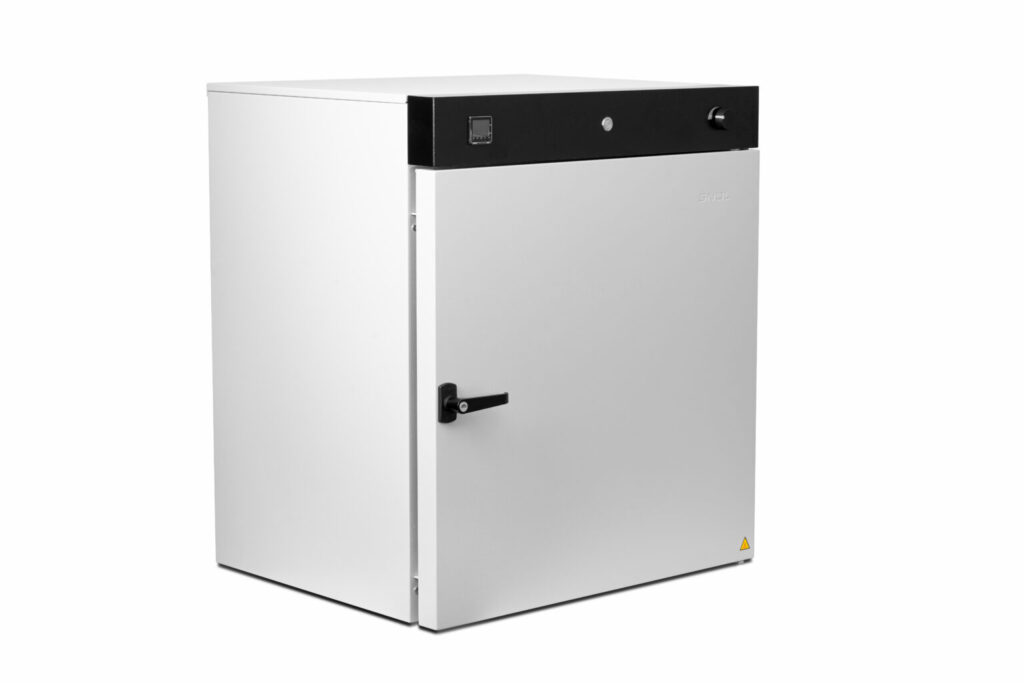
Laboratory ovens are essential thermal processing devices used in scientific, industrial, and research environments where controlled and precise heating is required. They support processes such as drying, curing, sterilizing, and thermal testing under stable temperature conditions. Modern laboratory ovens from SNOL are engineered to deliver exceptional accuracy, reliability, and energy efficiency, making them a trusted solution for laboratories, universities, and production facilities worldwide.
Ieškoti produktų
Laboratory ovens are essential heating devices used in scientific, industrial, and research environments where accuracy, stability, and controlled thermal processing are required. These ovens support processes such as drying, sterilizing, annealing, curing, and thermal testing under precise temperature conditions. Modern laboratory ovens from SNOL combine advanced engineering, high energy efficiency, and exceptional temperature accuracy, making them a reliable choice for laboratories, universities, production facilities, and research institutions.
What Are Laboratory Ovens?
A laboratory oven is a high-precision heating chamber designed to maintain stable temperatures for scientific and industrial tasks. Unlike consumer-grade ovens, laboratory ovens offer excellent temperature uniformity, reinforced insulation, and digital control systems that allow users to program complex heating cycles. These ovens are used in pharmaceuticals, electronics, material science, chemistry, biology, manufacturing, and quality-control departments. SNOL laboratory ovens are engineered to deliver consistent thermal performance, durability, and long-term reliability, meeting strict scientific and industrial standards.
How Laboratory Ovens Work
Laboratory ovens operate using electric heating elements that convert electrical energy into controlled heat. The heat is evenly distributed throughout the chamber via natural or forced-air convection. A high-quality insulation layer ensures that heat remains inside the chamber, improving energy efficiency and temperature stability. A digital temperature controller allows users to set precise heating profiles, define ramps, hold times, and monitor temperature fluctuations in real time. SNOL ovens use accurate sensors and PID controllers to ensure the temperature remains stable during the entire process. This precision is especially important for applications that require consistent, repeatable results.
Types of Laboratory Ovens
There are several different types of laboratory ovens, each designed for specific tasks and temperature ranges.
1. Drying and Heating Ovens
These ovens are widely used for drying glassware, removing moisture from samples, and performing general heating tasks. They typically operate in a range between 40°C and 300°C, making them suitable for daily laboratory work.
2. Forced-Air Convection Ovens
Forced-air or fan-assisted ovens circulate hot air throughout the chamber, ensuring excellent temperature uniformity. They are perfect for applications requiring consistent heat distribution, such as drying coatings or curing materials.
3. Vacuum Ovens
Vacuum laboratory ovens remove air from the chamber, enabling low-temperature drying of heat-sensitive materials. They are commonly used in electronics, biotechnology, pharmaceuticals, and material sciences.
4. High-Temperature Laboratory Ovens
These ovens operate at temperatures up to 500°C or higher, making them ideal for advanced thermal processes, heat treatment, or industrial testing.
5. Cleanroom Laboratory Ovens
Designed with special filtration and clean construction, these ovens support processes requiring contamination-free environments, such as semiconductor manufacturing and pharmaceutical production.
SNOL manufactures various laboratory ovens that cover different temperature ranges, chamber sizes, and airflow systems, ensuring compatibility with diverse research and production needs.
Key Features of Modern Laboratory Ovens
High-quality laboratory ovens share several essential features that support performance and accuracy:
Precision Temperature Control – Digital PID controllers ensure stable temperature performance and minimal fluctuations.
Uniform Heat Distribution – Even temperature throughout the chamber prevents inconsistent results and improves reliability.
Energy-Efficient Insulation – Reduces heat loss and operational costs, especially during long heating cycles.
Durable Construction – Reinforced steel chambers, high-quality door seals, and long-lasting heating elements ensure long service life.
Safety Systems – Overheating protection, door sensors, and insulation safeguards protect users and sensitive materials.
Programmable Settings – Advanced models from SNOL include multi-step programming for complex heating profiles.
Applications of Laboratory Ovens
Laboratory ovens play a crucial role in countless scientific and industrial processes:
Material Testing and Research – Heating, curing, and analyzing the thermal behavior of metals, ceramics, polymers, and composites.
Chemistry and Biology – Drying samples, sterilizing equipment, incubating materials, and preparing samples for experiments.
Electronics Manufacturing – Drying printed circuit boards, curing adhesives, and testing components under controlled heat.
Pharmaceuticals – Dehydration, stability testing, and sterilization under regulated temperature conditions.
Industrial Production – Preheating materials, treating small components, curing coatings, and conducting quality-assurance tests.
Because of their versatility and precision, SNOL laboratory ovens are widely used across global industries.
Benefits of Using a Laboratory Oven
Using a professional laboratory oven provides numerous advantages:
High Precision and Reliability – Accurate temperature control ensures consistent results, essential for scientific and industrial applications.
Improved Efficiency – Fast heating, optimized airflow, and energy-efficient insulation reduce operating time and costs.
Versatility – Suitable for a wide range of processes, from drying and sterilizing to annealing and curing.
Long-Term Durability – Robust components and quality materials extend operational lifespan.
User-Friendly Operation – Digital controllers, programmable cycles, and intuitive interfaces simplify daily use.
SNOL designs laboratory ovens to deliver all these benefits, ensuring long-term performance and dependable operation in demanding environments.
Why Choose SNOL Laboratory Ovens?
SNOL is a trusted European manufacturer known for producing reliable and precise thermal equipment. Their laboratory ovens stand out due to:
-
High temperature accuracy and excellent chamber uniformity
-
Energy-efficient construction and advanced insulation
-
Wide range of models and chamber sizes
-
Durable materials and long-lasting heating elements
-
User-friendly digital controls with advanced programming
-
Suitable solutions for laboratories, universities, and industrial facilities
SNOL’s strong engineering foundation and global reputation make them a preferred choice for professionals who require dependable laboratory heating equipment.
How to Choose the Right Laboratory Oven
Selecting a laboratory oven requires evaluating several important factors:
-
Temperature range required for your applications
-
Chamber volume and internal space
-
Airflow type (natural convection or forced air)
-
Process requirements such as drying, curing, or heat testing
-
Safety features and control accuracy
-
Energy efficiency and insulation quality
-
Manufacturer support and long-term reliability
Choosing the right model ensures accurate results, optimized workflow, and dependable performance.