
Annealing furnace
Explore high-accuracy annealing furnaces designed for metal softening, stress relief, and controlled heat treatment. SNOL delivers reliable, energy-efficient furnace solutions for laboratories and industrial production.
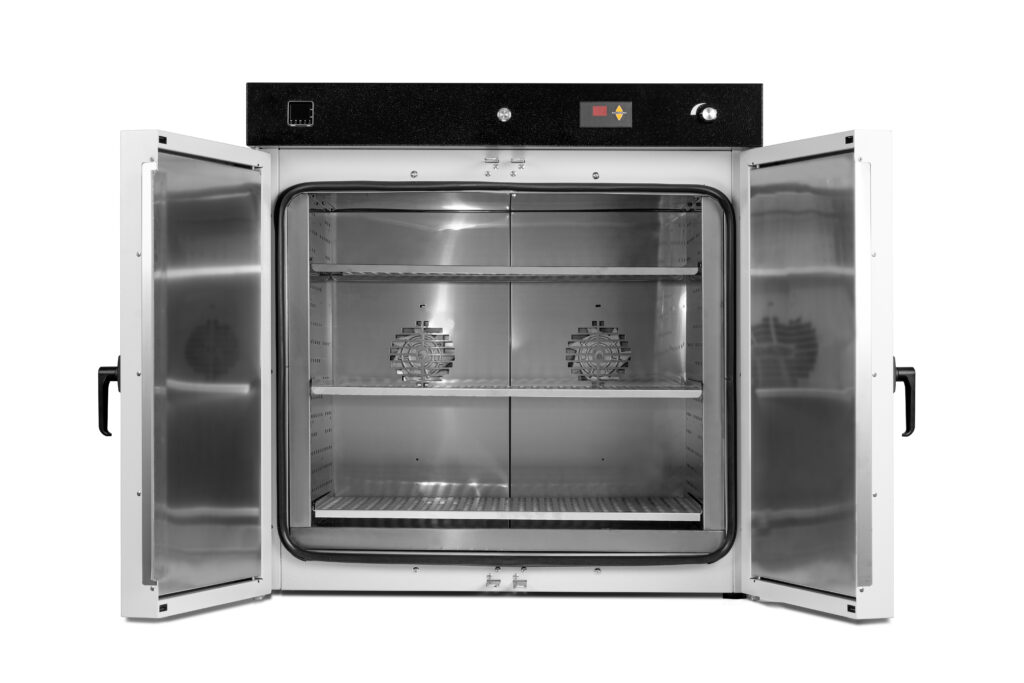
Explore products
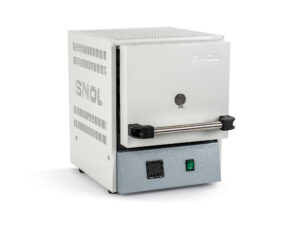
SNOL 3/1100 LHM21
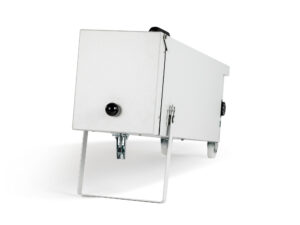
SNOL 3/320
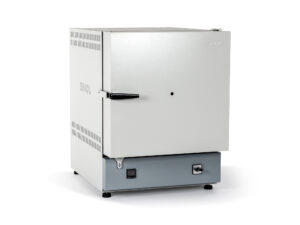
SNOL 30/1100 LSF01
SNOL 30/1300 LSF01
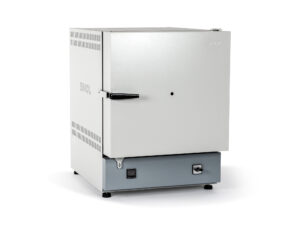
SNOL 30/1100 LSF21
SNOL 30/1300 LSF21
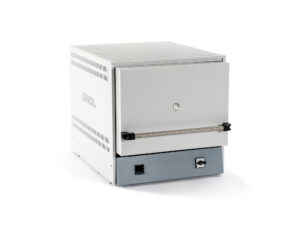
SNOL 39/1100 LHM21
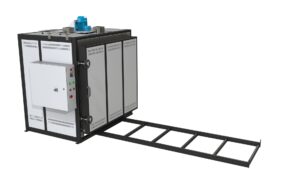
SNOL 3000/250 BH
SNOL 3000/350 BH
SNOL 3000/450 BH
SNOL 3000/650 BH
SNOL 3000/750 BH
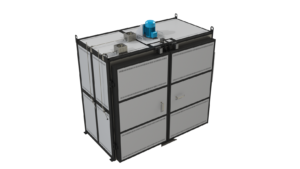
SNOL 3000/250 Arc
SNOL 3000/350 Arc
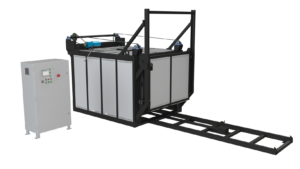
SNOL 3000/1200 BH
SNOL 3000/1300 BH
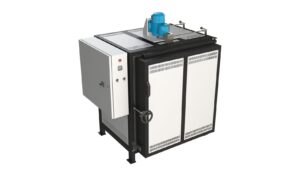
SNOL 3400/250
SNOL 3400/350
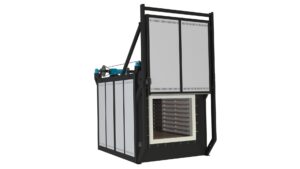
SNOL 3400/1200
SNOL 3400/1300
An annealing furnace is a specialized heat-treatment system designed to soften metals, relieve internal stresses, and improve their ductility through controlled heating and cooling cycles. This process is essential in industries that require high-quality metal forming, machining, and structural stability. Modern SNOL annealing furnaces deliver exceptional temperature accuracy, uniformity, and long-term reliability, making them a trusted choice for laboratories, manufacturing plants, material research centers, and industrial production lines.
What Is an Annealing Furnace?
An annealing furnace is a high-precision heating device used to heat metals or alloys to a specific temperature, hold them there for a controlled period, and then cool them slowly to achieve structural transformation. This controlled thermal cycle reduces hardness, increases ductility, and enhances the material’s ability to undergo shaping or machining. Unlike general industrial furnaces, annealing furnaces offer superior temperature stability and insulation, ensuring an even heat distribution throughout the entire chamber. SNOL designs advanced annealing furnaces suitable for both laboratory testing and industrial applications, supporting a wide range of materials such as steel, copper, aluminum, and various alloys.
How Annealing Furnaces Work
Annealing furnaces operate using electric heating elements that surround the chamber and distribute heat evenly. The furnace slowly increases the temperature until the material reaches the desired transformation point. Once the temperature is reached, the material is held there long enough for its internal structure to relax and realign. After the soaking time, the furnace begins a gradual cooldown, often controlled through programmable settings. This slow cooling is essential because it prevents thermal shock and ensures uniform structural softening. SNOL annealing furnaces feature advanced digital controllers that automate the heating curve, hold time, and cooling sequence with high precision.
The Three Main Stages of the Annealing Process
1. Heating
The material is heated at a controlled rate to avoid cracking, distortion, or internal stress.
2. Soaking
The material is held at the annealing temperature, allowing microstructural changes to occur evenly across the entire volume.
3. Controlled Cooling
The furnace cools slowly, often inside the closed chamber, ensuring the metal softens uniformly without introducing new stresses.
These stages are essential for producing high-quality results, especially in metals used for forming, bending, or machining.
Types of Annealing Furnaces
Different industries require different annealing systems, so multiple furnace designs exist.
1. Box-Type Annealing Furnaces
These versatile furnaces offer large chamber space and excellent temperature uniformity. They are used for annealing steel components, tools, and medium-sized parts.
2. Laboratory Annealing Furnaces
These compact furnaces provide high precision for metallurgical research, testing, and small-batch annealing tasks. SNOL laboratory furnaces deliver exceptional accuracy and repeatability for scientific applications.
3. Continuous or Conveyor Annealing Furnaces
These systems are used for large-scale production, allowing materials to move through multiple zones of heating, soaking, and cooling without interruption.
4. High-Temperature Annealing Furnaces
Used for metals and materials that require temperatures up to 1300°C or more, such as specialized steels and advanced alloys.
5. Vacuum Annealing Furnaces
These furnaces remove oxygen from the environment, preventing oxidation and producing a clean, bright surface finish—commonly used in aerospace, medical, and electronics industries.
Key Features of a High-Quality Annealing Furnace
A professional annealing furnace should offer several critical characteristics:
Precision Digital Control – Programmable PID controllers allow accurate temperature curves and repeatable cycles.
Excellent Temperature Uniformity – Even heat distribution ensures consistent results and prevents deformation.
Durable Construction – High-quality steel, refractory materials, and thermal insulation increase furnace lifespan.
Energy-Efficient Heating Elements – Reduce operational costs, especially during long annealing cycles.
Safety Systems – Overheat protection, door interlocks, alarms, and cooling mechanisms ensure safe operation.
Wide Temperature Range – SNOL furnaces support different annealing temperatures depending on the metal type and application.
Applications of Annealing Furnaces
Annealing furnaces are critical in many industrial and scientific fields:
Metalworking and Manufacturing – Preparing metals for machining, bending, welding, or stamping.
Automotive Industry – Softening engine parts, suspension components, and metal sheets for improved formability.
Aerospace Sector – Annealing lightweight alloys for increased stability and fatigue resistance.
Material Science Laboratories – Studying the behavior of metals under controlled heat treatment.
Tool and Die Production – Reducing hardness to allow shaping and machining of specialized tools.
Electronics and Electrical Engineering – Annealing copper wires, connectors, and conductive components.
Annealing is necessary wherever materials require structural uniformity, improved durability, or enhanced machinability.
Benefits of Using an Annealing Furnace
A modern annealing furnace offers many advantages:
Improved Ductility – Softened metals can be formed, bent, or machined more easily.
Reduced Internal Stress – Prevents cracking, warping, and fatigue during further processing.
Enhanced Structural Stability – Materials maintain consistent performance under mechanical loads.
Better Surface Quality – Controlled heating prevents oxidation, especially in vacuum annealing systems.
Energy Efficiency – SNOL furnaces are designed with advanced insulation to minimize heat loss.
Consistent, Repeatable Results – Digital controllers and uniform heating ensure identical outcomes across batches.
Why Choose SNOL Annealing Furnaces?
SNOL is a leading European manufacturer known for producing precise, durable, and energy-efficient annealing furnaces. Their products stand out due to:
-
High temperature accuracy and excellent uniformity
-
Robust, long-lasting construction
-
Energy-efficient insulation and heating elements
-
Advanced digital controllers with multi-step programs
-
Multiple standard and custom models
-
Reliable performance for research, industry, and production
SNOL furnaces are trusted globally by laboratories, universities, automotive companies, metal workshops, and high-tech industries.
How to Choose the Right Annealing Furnace
When selecting an annealing furnace, consider the following:
-
Required maximum temperature
-
Size and volume of materials
-
Desired cooling rate
-
Level of precision and control needed
-
Air, inert gas, or vacuum environment
-
Production scale (lab, small batch, industrial)
-
Energy efficiency requirements
Choosing the correct furnace ensures reliable heat treatment, long-term performance, and optimal material quality.
Conclusion
An annealing furnace is essential for industries that rely on soft, ductile, and stress-free metals. Whether used in laboratories, manufacturing plants, or research facilities, a high-quality furnace ensures consistent temperature control and predictable material behavior. SNOL annealing furnaces provide exceptional engineering, durability, and precision, making them a trusted solution for modern heat-treatment needs across a wide range of industrial and scientific applications.