
Crucible furnaces
Crucible furnaces are high-temperature heating systems designed for melting metals inside durable, heat-resistant crucibles. They provide clean, uniform, and controlled melting conditions essential for metal casting, jewelry production, material science research, and industrial manufacturing. Modern SNOL crucible furnaces offer exceptional temperature accuracy, energy efficiency, and long-term reliability, making them a trusted choice for laboratories and production facilities worldwide.
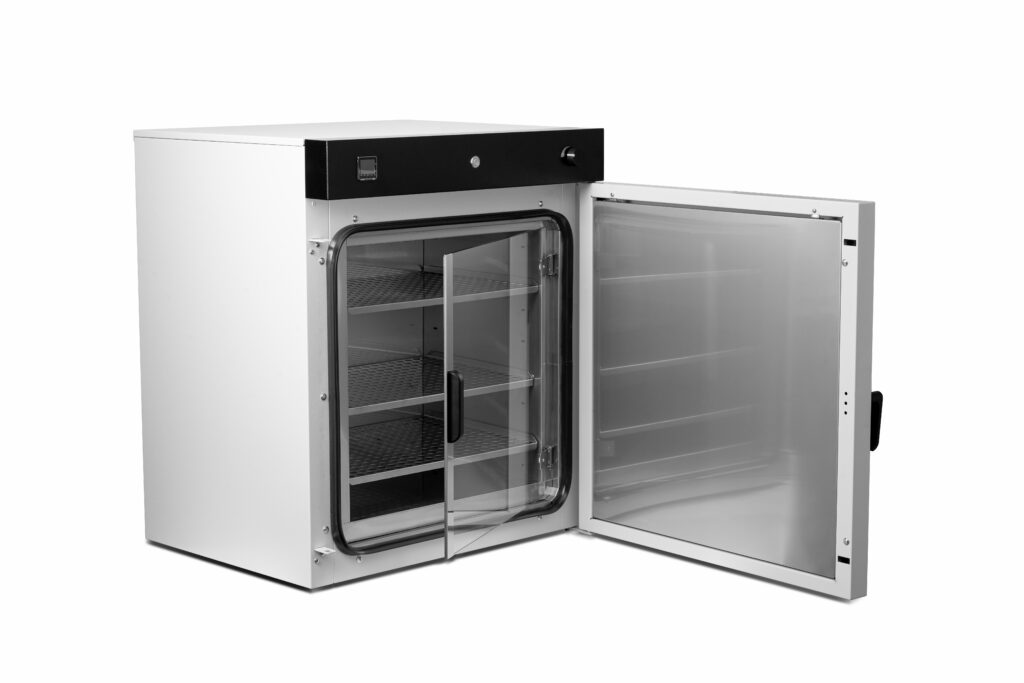
Explore products
SNOL 6,7/1300 LSM01
SNOL 55/300 NNL
SNOL 55/100
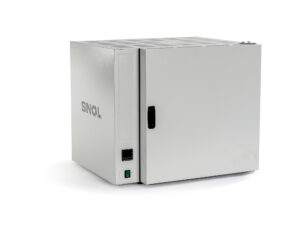
SNOL 58/350 LSP11
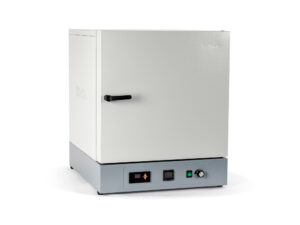
SNOL 60/300 LSN11
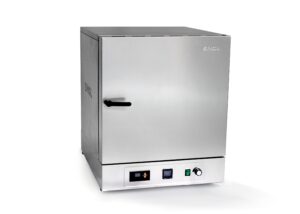
SNOL 60/300 LSN11 ST
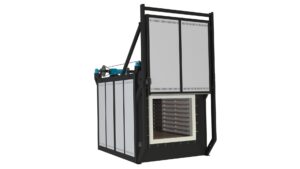
SNOL 64/1200
SNOL 64/1300
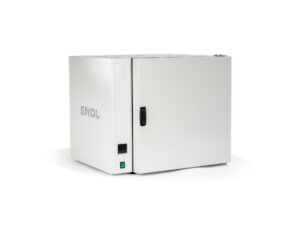
SNOL 67/350 LSN01
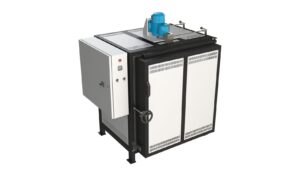
SNOL 500/750
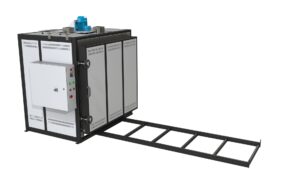
SNOL 500/650 BH
SNOL 500/750 BH
SNOL 600/250
SNOL 600/350
SNOL 600/450
SNOL 600/650
SNOL 600/750
SNOL 5100/250 BH
SNOL 5100/350 BH
SNOL 5100/450 BH
SNOL 5100/650 BH
SNOL 5100/750 BH
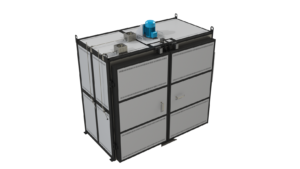
SNOL 5100/350 Arc
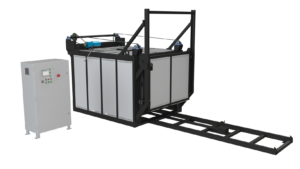
SNOL 5100/1200 BH
SNOL 5100/1300 BH
Crucible furnaces are specialized heating systems designed to melt metals in controlled, high-temperature environments using a heat-resistant crucible. These furnaces are essential in foundries, manufacturing, metal casting, material science research, laboratories, jewelry production, and educational institutions. Modern SNOL crucible furnaces provide excellent temperature stability, energy efficiency, and long-term durability, making them a reliable choice for both industrial and scientific applications.
What Are Crucible Furnaces?
A crucible furnace is a high-temperature heating device used to melt metals such as aluminum, bronze, brass, zinc, copper, or precious metals like gold and silver. The metal is placed inside a crucible — a ceramic, graphite, or metal container capable of withstanding extreme temperatures. Unlike open flame melting, crucible furnaces provide precise, uniform heating and safer handling during the melting process. SNOL manufactures advanced crucible furnaces designed for consistent performance, clean melting, and efficient thermal operation.
How Crucible Furnaces Work
Crucible furnaces use electric heating elements or fuel-based systems to generate intense heat. Electric models, widely used in laboratories and precision applications, rely on heating coils that surround the crucible chamber. Once powered, the heating elements raise the chamber temperature to the required melting point. The heat transfers through the crucible walls, melting the metal evenly and safely. Temperature controllers allow users to adjust heat levels, monitor the melting process, and ensure consistent results. SNOL crucible furnaces feature accurate digital controls, high-quality insulation, and efficient heat distribution to maintain perfect melting conditions.
Types of Crucible Furnaces
Different industries require different melting systems, so crucible furnaces come in several designs.
1. Electric Crucible Furnaces
Electric furnaces are clean, efficient, and precise. They are ideal for laboratories, jewelry workshops, and manufacturing processes that require accurate temperature control. Electric models offer excellent stability and are widely chosen for melting small to medium quantities of metal.
2. Tilting Crucible Furnaces
These furnaces allow the operator to pour molten metal by tilting the chamber or crucible. They are used in foundries and production plants where continuous casting and safe metal handling are required.
3. Stationary Crucible Furnaces
Stationary models are designed for batch melting, where the crucible remains fixed. They are simple, durable, and suitable for repeated melting cycles.
4. High-Temperature Crucible Furnaces
For metals with higher melting points, such as steel or certain alloys, high-temperature crucible furnaces are used. These furnaces include advanced insulation and heavy-duty heating elements.
5. Laboratory Crucible Furnaces
These small, precise furnaces are used for material research, metal testing, chemical analysis, and educational purposes. SNOL’s laboratory crucible furnaces offer exceptional accuracy and clean thermal performance.
Key Features of Modern Crucible Furnaces
High-quality crucible furnaces must meet strict performance standards, especially when handling molten metal. Essential features include:
Excellent Temperature Uniformity – Ensures metals melt evenly, reducing impurities and improving casting quality.
Advanced Digital Controls – SNOL furnaces include programmable controllers for stable temperature management.
Robust Construction – High-quality steel housing and durable insulation ensure long-term reliability in high-heat environments.
Energy-Efficient Heating – Optimized heating elements and insulation reduce energy consumption.
Safety Systems – Overheating protection, durable crucible support, and safe lid mechanisms ensure secure operation.
Versatile Applications – Suitable for melting different metals and alloys depending on the crucible type.
Applications of Crucible Furnaces
Crucible furnaces are used across a wide range of industries:
Metal Casting and Foundries – Melting aluminum, bronze, copper, brass, and other alloys for casting molds.
Jewelry Manufacturing – Melting gold, silver, platinum, and other precious metals with high precision and clean heating.
Material Science Research – Testing metal properties, analyzing melting points, and creating alloy samples.
Educational Institutions – Teaching thermal processes, metal behavior, and casting techniques.
Automotive and Aerospace Sectors – Producing specialized components, alloy testing, and prototyping.
Electronics and Electrical Components – Melting conductive metals for manufacturing small parts.
Because of their versatility, crucible furnaces remain a crucial technology wherever metal melting requires precision, cleanliness, and safety.
Benefits of Using a Crucible Furnace
Using a professional crucible furnace provides numerous advantages:
Clean and Controlled Melting – Electric furnaces eliminate contamination and provide stable heating conditions.
High Precision – Accurate temperature control leads to improved metal quality and consistent results.
Adaptability – Crucible furnaces can melt many different metals by simply changing the crucible material.
Durability and Reliability – Reinforced materials and heat-resistant construction ensure long service life.
Energy Efficiency – Modern insulation reduces operational costs, especially during frequent melting cycles.
Safety and Ease of Use – Designed for safe handling of molten metal, minimizing operator risk.
SNOL’s furnace designs incorporate all these benefits, making them a preferred choice in scientific and industrial environments.
Why Choose SNOL Crucible Furnaces?
SNOL is a recognized European manufacturer known for high-quality thermal equipment and reliable industrial furnaces. Their crucible furnaces stand out due to:
-
Excellent heating accuracy and uniformity
-
Long-lasting heating elements and durable chamber construction
-
Energy-efficient design with modern insulation
-
User-friendly digital controllers
-
Wide selection of models for laboratory and industrial use
-
European engineering standards and trusted global reputation
SNOL furnaces are used worldwide in research labs, educational centers, metal casting shops, and manufacturing facilities that demand consistent quality.
How to Choose the Right Crucible Furnace
Choosing a crucible furnace depends on your specific requirements:
-
Type of metal to be melted
-
Required melting temperature
-
Crucible material (graphite, ceramic, clay-graphite, etc.)
-
Batch size and production volume
-
Pouring method (tilting or stationary)
-
Energy efficiency and insulation quality
-
Safety features and durability
Selecting the right model ensures reliable melting performance, high-quality castings, and long-term operational efficiency.
Conclusion
Crucible furnaces are essential tools for industries and laboratories that require controlled metal melting with high precision and safety. Whether used for casting, research, jewelry production, or industrial manufacturing, crucible furnaces provide clean and efficient melting cycles. SNOL crucible furnaces deliver exceptional engineering quality, stable temperature performance, and long-term durability, making them a trusted solution for modern metalwork and scientific applications. Their reliable construction and advanced digital controls ensure consistent results for both everyday melting tasks and demanding industrial processes.