
Ovens for laboratory
The various laboratory ovens are designed to perform heat treatment on a wide range of materials, including drying, heating, thermal testing, aging, and similar processes. These ovens find applications in scientific laboratories, educational institutions, medical facilities, and industrial settings.
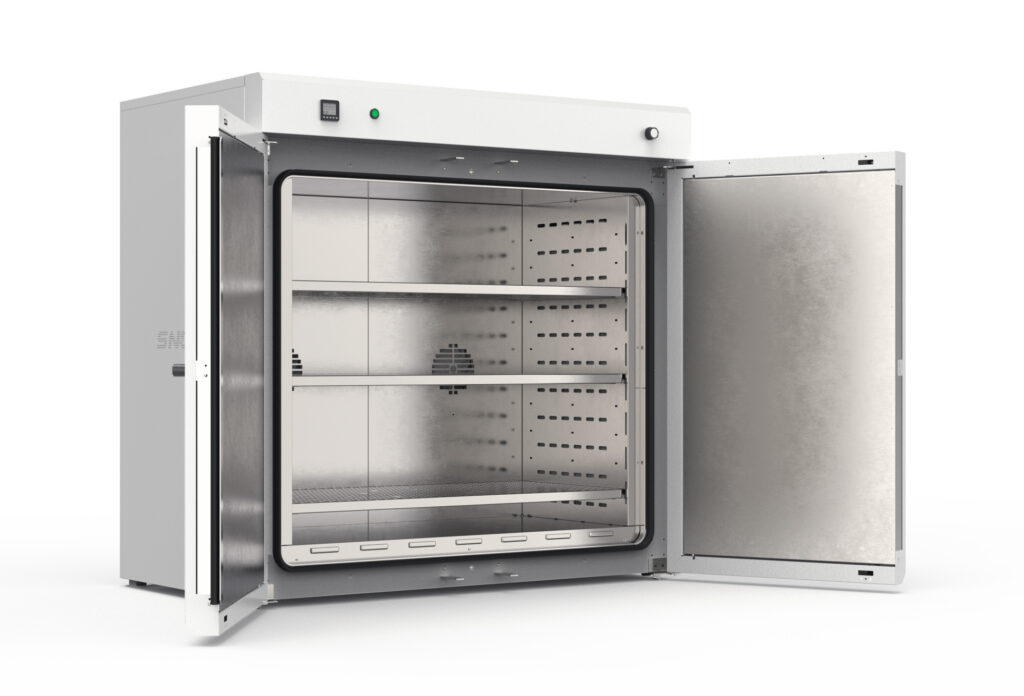
SNOL 3/320
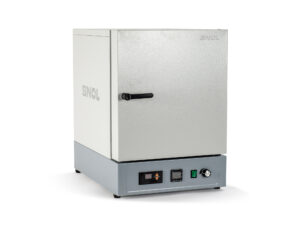
SNOL 20/300 LSN11
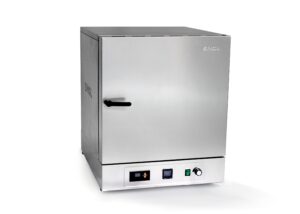
SNOL 20/300 LSN11 ST
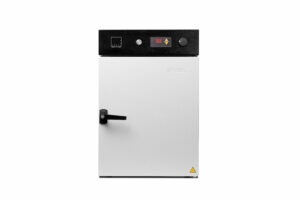
SNOL 20/300 NNL
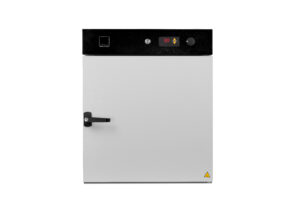
SNOL 55/300 NNL
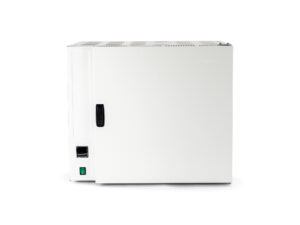
SNOL 58/350 LSN11
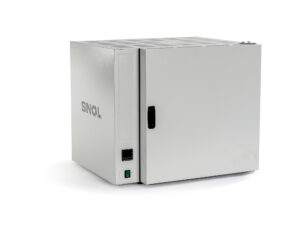
SNOL 58/350 LSP11
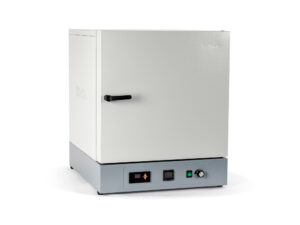
SNOL 60/300 LSN11
SNOL 60/300 LSN11 ST
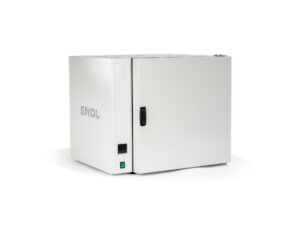
SNOL 67/350 LSN01
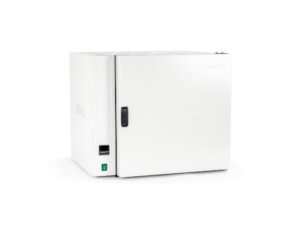
SNOL 67/350 LSP01
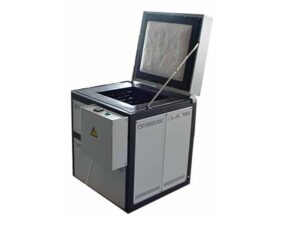
SNOL 75/550 LHN02
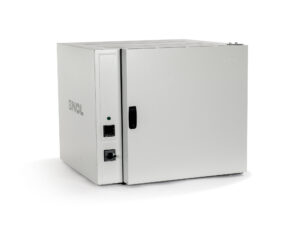
SNOL 75/350 (LSP/ESP)
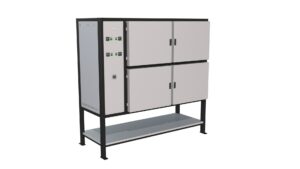
SNOL 4×80/200 LSN18
SNOL 4×80/200 LSP18
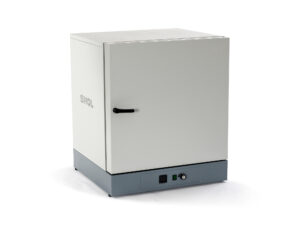
SNOL 120/300 LSN11
SNOL 120/300 LSN11 ST
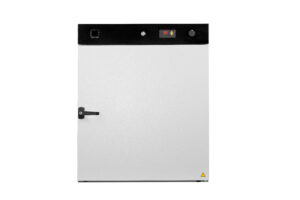
SNOL 120/300 NNL
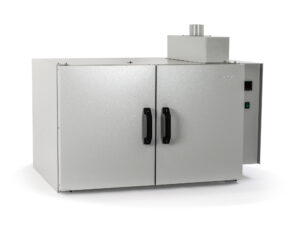
SNOL 200/200 LSN11
SNOL 200/200 LSP11
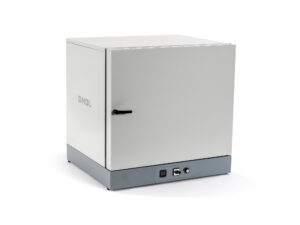
SNOL 220/300 LSN11
SNOL 220/300 LSN11 ST
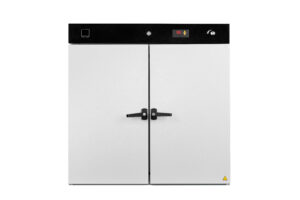
SNOL 220/300 NNL
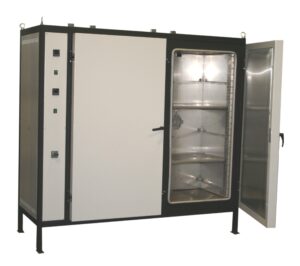
SNOL 2×240/200 LSN11
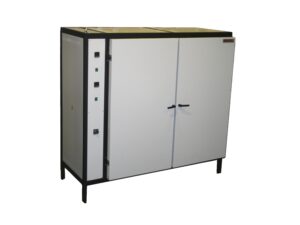
SNOL 2×240/200 LSP11
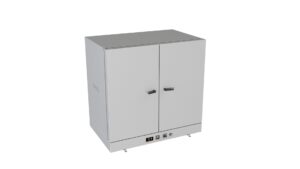
SNOL 420/300 LSN11
SNOL 420/300 LSN11 ST
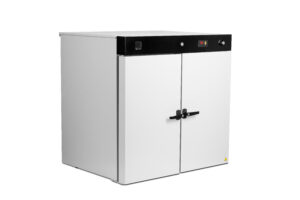
SNOL 420/300 NNL
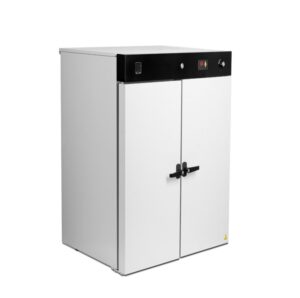
SNOL 700/300 NNL
SNOL laboratory ovens are engineered for accurate and repeatable heat treatment across a wide range of materials. From simple glassware drying to complex thermal aging programs, these ovens provide controlled conditions that researchers, technicians, and quality engineers can rely on every day. Robust construction, high-quality insulation, and precise temperature control make SNOL ovens ideal for scientific laboratories, universities, medical facilities, and industrial R&D centers.
Modern laboratory ovens create a stable, uniform temperature environment so every sample inside the chamber experiences identical conditions—crucial for ensuring results are comparable over time or between different laboratories. Equipped with digital controllers, adjustable shelves, and multiple safety features, SNOL laboratory ovens combine practicality and performance in one compact solution.
Applications of laboratory ovens
Because of their versatility, laboratory ovens are used across many disciplines:
- Drying and conditioning of glassware, instruments, filters, powders, and components
- Thermal testing and aging of plastics, rubbers, adhesives, coatings, and composite materials
- Stability and shelf-life studies for pharmaceuticals, cosmetics, and food products
- Sample preparation for environmental analysis, construction materials testing, or metallography
- Low-temperature heat treatment of electronic boards, sensors, and mechanical parts
- Educational experiments in schools and universities, where students learn the principles of heat transfer and material behavior
In each of these tasks, the laboratory oven provides a controlled environment where temperature, time, and air circulation can be precisely adjusted to meet the required method or standard.
Construction and design features
SNOL laboratory ovens are designed for reliable performance in daily routine work. The outer body is constructed from durable steel—powder-coated or stainless—to withstand intensive use and allow easy cleaning. Inside, the chamber is lined with high-quality thermal insulation to keep heat where it’s needed and minimize energy loss to the surroundings.
Depending on the model, the chamber may include:
- Adjustable shelves or trays for optimizing space for different sample sizes
- Forced air circulation fans to maintain uniform temperature distribution from top to bottom
- Interior lighting for quick visual inspection without unnecessary door opening
The doors of SNOL laboratory ovens feature robust seals and sturdy hinges to ensure a tight closure and stable internal environment. Cool-touch handles improve operator comfort and safety.
Temperature control and safety
Accurate control is at the core of every SNOL laboratory oven. Each unit is equipped with a digital temperature controller that allows users to set the desired temperature, holding time, and—on some models—ramp profiles. Clear displays show both current and set values, making it easy to monitor progress at a glance.
Typical control features include:
- Precise set-point adjustment in small increments for fine tuning
- Timer functions for automatic switch-off or end-of-cycle signaling
- Over-temperature protection to safeguard samples and equipment
- Optimally positioned sensors for reliable temperature readings
Safety functions are especially important in laboratories where ovens may run unattended for part of the day. Over-temperature limiters and protection relays help prevent overheating, while visual and acoustic alarms alert the user if a fault occurs. Together, these features ensure SNOL laboratory ovens remain safe and dependable—even in demanding environments.
Energy efficiency and operating costs
Energy consumption is a critical factor for any equipment operating at elevated temperatures. Thanks to efficient insulation and optimized air circulation, SNOL laboratory ovens reach the set temperature quickly and maintain it with minimal energy input. Combined with well-planned working routines, this can significantly reduce electricity costs over the oven’s lifetime.
Users can further improve efficiency by:
- Grouping similar processes to minimize the number of separate heating cycles
- Avoiding unnecessary door openings during operation
- Selecting a chamber volume that matches the typical load—neither too small nor excessively large
Because laboratory ovens often operate for many years, the savings achieved through good insulation and smart design become highly noticeable over time.
Choosing the right laboratory oven
When selecting a new laboratory oven, consider the following practical questions:
- Temperature range
What minimum and maximum temperatures do your methods require? General drying and warming processes often stay below 300 °C, while certain material tests may demand higher temperatures. Choose a model with a safety margin above your highest working temperature. - Chamber volume and layout
How many samples, trays, or instruments need to fit inside at once? Consider not only the total volume but also internal dimensions and shelf spacing. Ensure adequate free space around samples to maintain uniform heating. - Air circulation
For many applications, forced air circulation is essential to guarantee consistent temperature throughout the chamber. Decide whether natural convection or a fan-assisted oven better suits your procedures. - Control options and documentation
Is a simple set-point controller sufficient, or do you need multi-step programs, data logging, or connectivity to a PC or LIMS system? Advanced control features can simplify compliance with internal quality systems or external standards. - Installation and power supply
Verify the available mains voltage and maximum power capacity in your laboratory. Many ovens are designed for standard single-phase connections, while larger models may require three-phase power. - Regulatory requirements
In pharmaceutical or food laboratories, additional qualifications such as IQ/OQ or calibration certificates may be necessary. Ensure your chosen oven can be supported with the appropriate documentation.
By systematically addressing these points, you can select a laboratory oven that meets current needs and supports future expansion.
Daily use and maintenance tips
To keep laboratory ovens operating reliably for many years, follow these simple practices:
- Use clean, dry trays and containers to minimize contamination and prevent odour build-up.
- Avoid placing samples directly on the chamber floor; always use shelves or racks for proper airflow.
- Inspect the door seal regularly and replace it if damaged or excessively worn.
- Perform routine temperature calibration or verification at defined intervals to ensure accuracy.
- Keep outer surfaces clean and air vents unobstructed to maintain efficient heat exchange.
These measures help maintain uniform temperature, reduce recovery time after door openings, and preserve overall performance.
Laboratory ovens as part of your workflow
In many facilities, laboratory ovens are more than standalone devices—they form an essential link in a wider process chain. Samples may be dried before weighing, chemical analysis, or mechanical testing. Components might be pre-heated prior to bonding, coating, or assembly. Because of this central role, the reliability and repeatability of laboratory ovens directly influence the quality of final results.
SNOL designs its laboratory ovens with this responsibility in mind. Robust construction, precise temperature control, and flexible configurations support users across diverse disciplines. Whether in a small teaching lab or a large industrial testing centre, a well-chosen SNOL oven becomes a dependable partner—quietly ensuring every sample experiences the right conditions at the right time.