
Identifying the Best Heat Treatment Furnace Suppliers for High-Precision Engineering
In the landscape of modern metallurgy and advanced material science, the margin for error is non-existent. Whether you are operating in aerospace, automotive manufacturing, or medical device production, the integrity of your thermal processing determines the viability of your final product. Selecting from the best heat treatment furnace suppliers is no longer a matter of comparing hardware specs; it is about securing a strategic partnership that ensures long-term ROI and uncompromising precision.
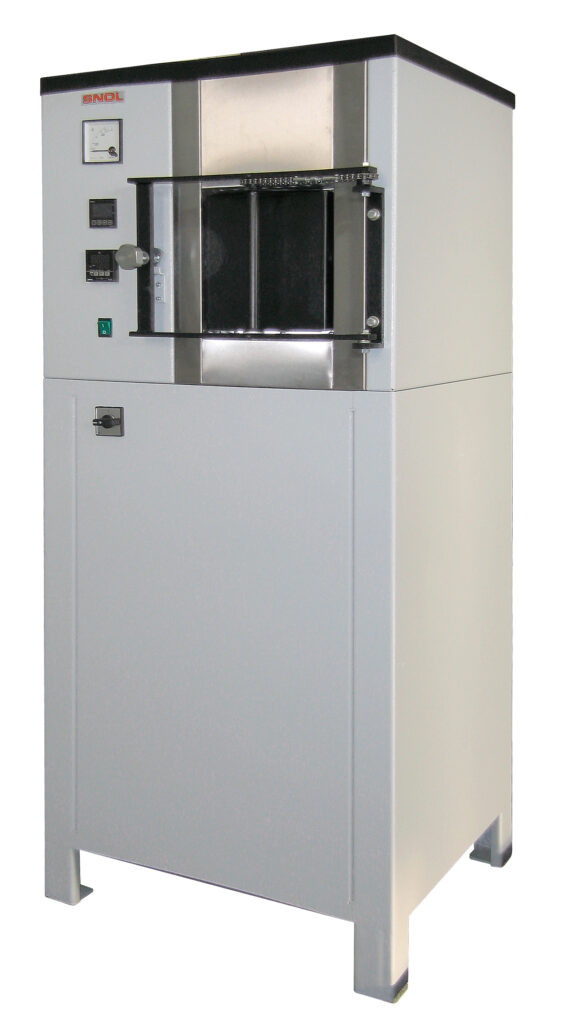
A heat treatment furnace is a significant capital investment. To maximize that investment, decision-makers must look beyond the initial purchase price and evaluate suppliers based on thermal uniformity, energy efficiency, and the ability to integrate into Industry 4.0 workflows.
The Strategic Importance of Thermal Precision in B2B Operations
Heat treatment is the “invisible” backbone of manufacturing. From annealing and hardening to tempering and stress-relieving, the process alters the physical and sometimes chemical properties of a material. Poorly regulated thermal environments lead to structural failure, increased scrap rates, and liability risks.
When vetting the best heat treatment furnace suppliers, industry leaders prioritize three core pillars:
- Thermal Uniformity: The ability to maintain a consistent temperature across the entire chamber (e.g., meeting AMS2750F standards).
- Energy Optimization: Advanced insulation and PID control systems that reduce operational overhead.
- Structural Durability: High-grade ceramic and fiber materials that withstand thousands of thermal cycles without degradation.
Key Criteria for Evaluating Heat Treatment Equipment Manufacturers
Selecting a vendor requires a deep dive into their engineering philosophy. The following criteria serve as a roadmap for procurement teams:
1. Control Systems and Automation
Modern furnaces must offer more than just a temperature dial. Look for suppliers that provide programmable logic controllers (PLCs) and digital interfaces that allow for complex ramping profiles. SNOL equipment, for instance, utilizes high-precision digital controllers that ensure repeatable results, crucial for ISO-certified facilities.
2. Chamber Material and Insulation
The quality of the refractory lining dictates heat-up times and cooling rates.
- Fiber insulation: Offers rapid heating/cooling but can be fragile.
- Ceramic brick: Provides immense durability for high-mass loads.
- Hybrid solutions: The most efficient furnaces often use a combination of both to balance speed and longevity.
3. Compliance and Standards
The best suppliers build their equipment to meet international safety and quality standards, including CE marking and specific industrial certifications like Nadcap or AMS2750F for aerospace applications.
SNOL: A Strategic Partner in Thermal Engineering
For over 60 years, SNOL has positioned itself not merely as a vendor, but as a strategic engineering partner. By focusing on modularity and high-spec precision, SNOL provides solutions that scale with a business’s growth.
Below are several industry-leading models engineered for specific high-stakes applications:
Laboratory and Small-Batch Precision
For R&D and small-scale production where footprint and precision are paramount, these units offer laboratory-grade accuracy:
- SNOL 8/1600 LSF01: Designed for high-temperature applications reaching up to 1600°C, ideal for ceramic sintering and specialized alloy testing.
- SNOL 30/1100 LSF01: A versatile 1100°C chamber that balances internal volume with rapid heat-up capabilities.
- SNOL 30/1300 LSF01: An upgraded variant for processes requiring that extra thermal ceiling up to 1300°C.
Industrial Scale and Throughput
For facilities requiring higher volume throughput without sacrificing thermal uniformity, the following models are industry benchmarks:
- SNOL 40/1200 LSF01: A 40-liter workhorse designed for consistent hardening and annealing cycles.
- SNOL 40/1200 LSF21: Enhanced with specialized ventilation or control features for more demanding metallurgical profiles.
- SNOL 45/1200 LSF01: Offers an expanded chamber for larger components while maintaining a 1200°C maximum.
High-Volume Capacity
For heavy-duty industrial applications, these units provide the maximum cubic capacity:
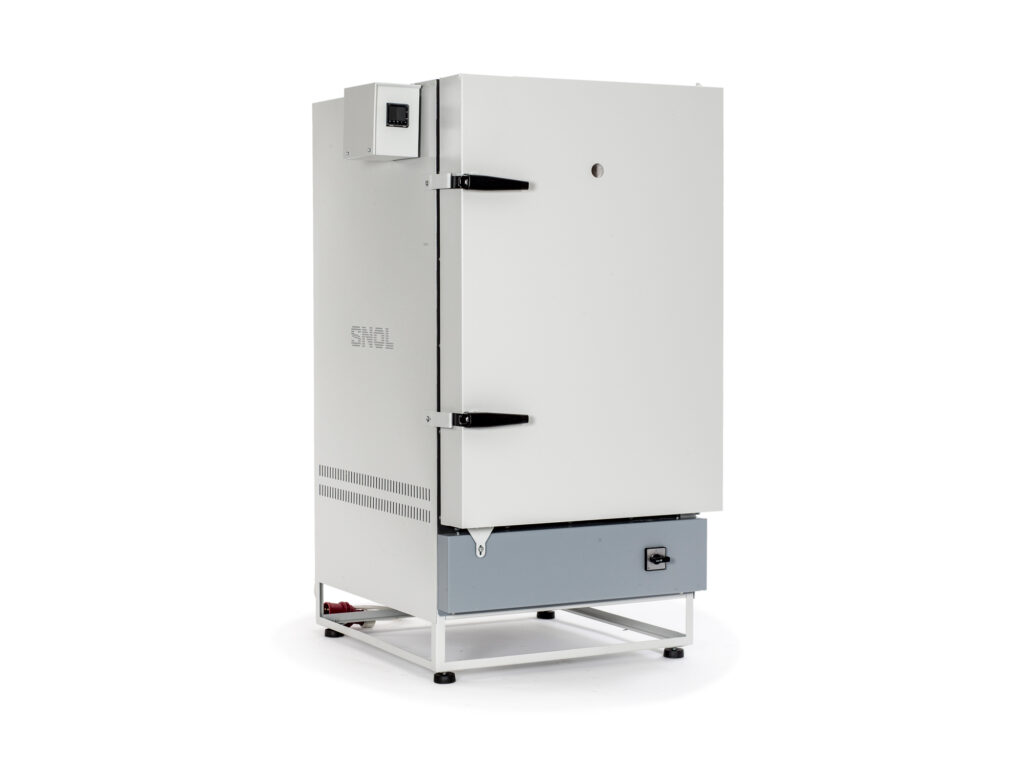
- SNOL 70/1300 LSF01: A 70-liter chamber that handles large batches with incredible temperature stability.
- SNOL 80/1100 LSF01: The ultimate choice for high-volume, lower-temperature hardening and tempering processes.
Comparative Technical Specifications
| Feature | Laboratory Series (8L – 30L) | Industrial Series (40L – 80L) |
| Primary Use | R&D, Small Batch, Dentures | Production, Hardening, Tempering |
| Max Temp Range | 1100°C to 1600°C | 1100°C to 1300°C |
| Controller Type | Programmable PID | Programmable PID w/ Data Logging |
| Heating Elements | Kanthal or MoSi2 | High-grade ceramic encased Kanthal |
5 Steps to Selecting the Right Furnace for Your Facility
Choosing between the best heat treatment furnace suppliers requires a systematic approach to technical requirements:
- Define Your Thermal Profile: Identify the maximum temperature required and the necessary ramp/soak rates. Over-specifying can lead to unnecessary energy costs, while under-specifying compromises product quality.
- Calculate Chamber Volume: Measure your largest part and add a 20% “buffer zone” to ensure proper airflow and heat distribution around the component.
- Assess Atmosphere Requirements: Determine if your process requires an air atmosphere, or if you need an inert gas (Argon/Nitrogen) to prevent oxidation.
- Evaluate Throughput Needs: Calculate how many parts must be processed per shift to determine if a batch furnace (like the SNOL 80/1100) or a continuous furnace is required.
- Audit Post-Sales Support: Ensure the supplier provides calibration services, spare parts (heating elements/thermocouples), and technical consultation.
Total Cost of Ownership (TCO) vs. Initial Purchase Price
In the B2B sector, the cheapest furnace is often the most expensive over its lifecycle. Low-quality heating elements fail prematurely, leading to downtime that can cost thousands of dollars per hour.
The SNOL Advantage in TCO:
- High-Efficiency Insulation: Reduces the energy required to maintain “soak” temperatures.
- Modular Elements: Allows for rapid replacement of heating components without rebuilding the entire chamber.
- Precision Accuracy: By reducing the “Scrap and Rework” rate, high-precision furnaces pay for themselves through material savings alone.
Conclusion: Future-Proofing Your Thermal Processing
As manufacturing shifts toward smarter, data-driven environments, your choice of heat treatment furnace supplier will dictate your ability to compete. By partnering with a specialist like SNOL, you gain access to decades of thermal engineering expertise and equipment designed to meet the rigors of tomorrow’s industrial demands.
Whether you require the high-temperature capabilities of the SNOL 8/1600 LSF01 or the high-volume reliability of the SNOL 70/1300 LSF01, the focus remains the same: precision, reliability, and a measurable return on investment.
Ready to optimize your thermal workflow? Contact a SNOL specialist today to discuss custom configurations tailored to your specific metallurgical requirements.
Customized for your hot inovations
Innovative custom solutions and professional support for your needs in heat treatment processes.
Learn more