
Ashing furnaces
SNOL ashing furnaces are specifically designed for ashing and burn-off processes. They are equipped with a fan-assisted chimney to eliminate smoke from the chamber during operation.
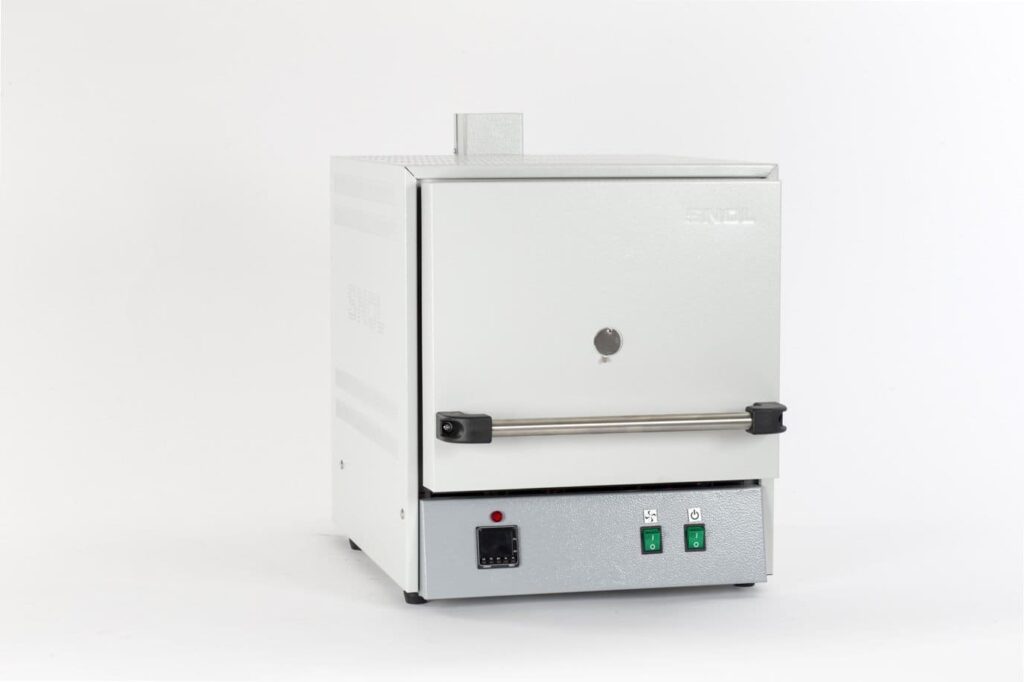
Explore products
SNOL 8,2/1100 LHM21
SNOL 3/1100 LHM21
SNOL 4/900 LSC21
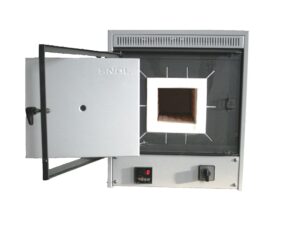
SNOL 4/1100 LSC21
SNOL 4/1200 LSC21
SNOL 4/1300 LSC21
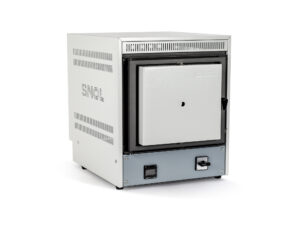
SNOL 6,7/1300 LSM21
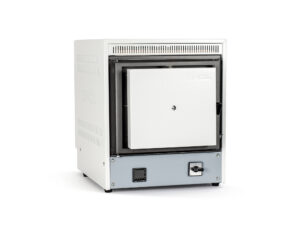
SNOL 7,2/900 LSC21
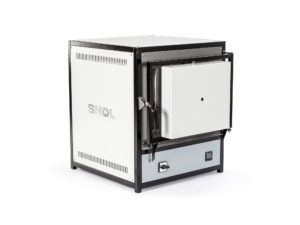
SNOL 7,2/1300 LSC21
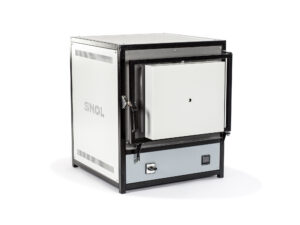
SNOL 7,2/1200 LSC21
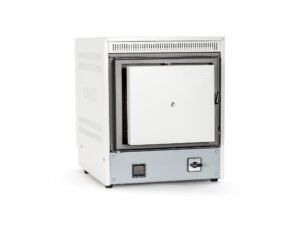
SNOL 7,2/1100 LSC21
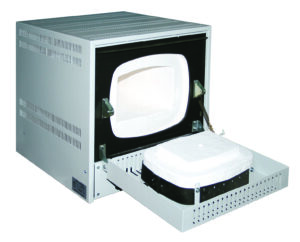
SNOL 8,2/1100 LZM21
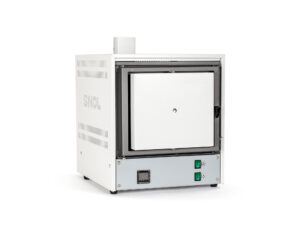
SNOL 8,2/1100 LSM21
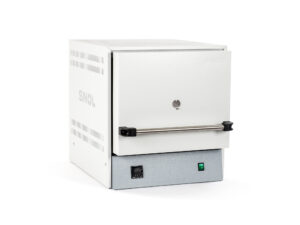
SNOL 13/1100 LHM21
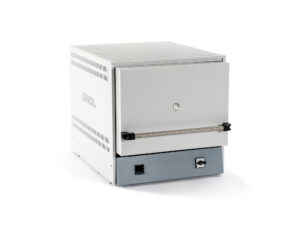
SNOL 22/1100 LHM21
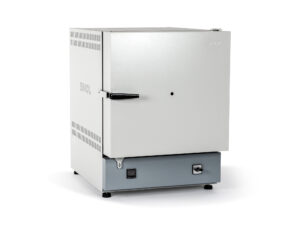
SNOL 30/1100 LSF21
SNOL 30/1300 LSF21
SNOL 39/1100 LHM21
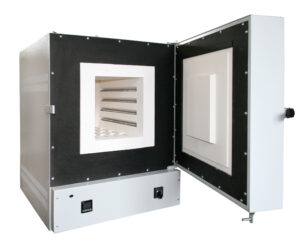
SNOL 40/1200 LSF21
SNOL ashing furnaces are specifically designed for ashing, annealing, and combustion processes. They deliver reproducible results with controlled airflow and minimized emissions, making them ideal for quality control laboratories, research institutes, food and pharmaceutical analysis, environmental and materials testing, as well as educational settings. Modern ashing furnaces combine robust insulation, precise temperature control, and air-assisted exhaust chimneys to ensure smoke and vapors are safely removed from the chamber during operation. The result is a clean working environment, reliable analytics, and low operating costs.
Typical applications
- Ash determination according to standards—for example, in food, feed, polymers, textiles, and pharmaceutical products.
- Loss on ignition (LOI) for cement, ceramics, geological, and environmental samples.
- Combustion or ashing of organic components prior to further analysis, such as AAS or ICP.
- Tempering processes for small components, including pre-firing, debinding, and post-annealing—provided that process air is essential.
An ashing furnace provides the defined thermal conditions and controlled airflow required to meet these test methods reliably.
Why use an ashing furnace?
- Clean and safe: Air-assisted exhaust system effectively removes smoke and vapors, improving room climate and reducing cleaning effort.
- Reproducible results: Uniform temperature distribution, stable holding phases, and precisely controlled heating ramps ensure consistent outcomes.
- Efficient in daily use: Fast heat-up, intuitive operation, and robust mechanics optimized for routine measurements.
- Wide range of sizes: From 3 L to 40 L, tailored to sample volume, number of crucibles, and required throughput.
- Flexible installation: Compact 230 V units for quick setup; larger versions available with 400 V for higher capacity.
Design features of modern ashing furnaces
- High-grade fiber insulation with low heat storage for energy savings and faster cycle times.
- Multi-sided heating element arrangement ensures homogeneous temperature distribution throughout the chamber.
- Secure door design with a reliable locking mechanism and heat-resistant sealing system.
- Air-assisted exhaust and flue with defined post-combustion and optimized flow guidance (depending on model).
- Advanced digital control featuring ramp/soak programs, recipe management, and optional data logging.
- Comprehensive safety features, including overtemperature protection, door contact switch, and alarm notifications.
Examples from the model range (selection)
- Compact class (3–8 L, 900–1100 °C): Ideal for routine tasks and small numbers of crucibles. Typical power range: 1.8–3.3 kW, 230 V.
- Medium class (13–22 L, 1100 °C): Offers higher capacity, convenient loading, and stable temperature homogeneity.
- Large volume (30–40 L, 1100–1300 °C): Designed for large sample quantities or sizes, with power up to approx. 4.6 kW; some models require 400 V.
Tip: In addition to total volume, always check the internal chamber dimensions (W × D × H) to ensure crucible carriers, ashing capsules, and tongs can be positioned ergonomically inside the furnace.
How to choose the right ashing furnace – 9 practical tips
- Standard and method: Verify the required temperatures and times for your method (e.g., 550 °C, 600 °C, 815 °C, 900 °C). Choose a model with sufficient Tmax reserve—at least 100 °C above the target.
- Throughput: Determine the number of samples per day or week. Match chamber volume and floor area to your crucible racks.
- Exhaust handling: Ensure the furnace has an air-assisted exhaust system and, if needed, the option to connect to an external ventilation system.
- Control and documentation: Consider whether you need recipe management, data export (CSV/PDF), user rights, or an audit trail for compliance.
- Energy and mains connection: 230 V simplifies installation; for large batches, 400 V and higher power output may be beneficial.
- Temperature homogeneity: Check the specified uniformity within the usable chamber (± K).
- Ergonomics and accessories: Crucible carriers, tongs, heat shields, drip trays, and support grates can improve safety and speed up work.
- Safety: Look for door contact switches, overtemperature limiters, and—if required—compatibility with laboratory smoke/fire alarm systems.
- Service and total cost of ownership (TCO): Compare spare part availability, maintenance intervals, calibration packages (IQ/OQ), and energy consumption per cycle.
A well-selected ashing furnace ensures stable, compliant workflows for many years.
Application notes for clean results
- Standardize preheating: Always start measurement series from a defined furnace state to ensure consistency.
- Crucible care: Use clean, dry crucibles to minimize errors in ash determination.
- Ramp and hold: Avoid overly fast ramps, as they can promote soot formation. Optimized ramps reduce rework and improve accuracy.
- Exhaust active: Keep the air-assisted exhaust system running during the combustion phase for better visibility and reduced odor levels.
- Documentation: Save temperature curves and batch IDs to simplify audits and ensure full traceability.
Quality and compliance
With calibrated sensors, documented temperature profiles, and regular uniformity tests, SNOL ashing furnaces meet the stringent requirements of regulated environments such as food, pharmaceutical, building materials, and environmental laboratories. Optionally available IQ/OQ packages support equipment qualification and audit readiness. For many laboratories, the ashing furnace is a core instrument in validated methods and quality management systems.
Sustainability and operating costs
- Efficient insulation reduces overall kWh consumption.
- Smart operation strategies—such as standby modes and optimized program selection—save energy per cycle.
- Preventive maintenance of seals, exhaust systems, and sensors keeps the furnace operating efficiently over the long term.
- Clean exhaust handling minimizes workplace cleaning effort and improves overall safety.
FAQ – Frequently asked questions about ashing furnaces
What is an ashing furnace?
An ashing furnace is a specially designed muffle or chamber furnace for ash and combustion analysis. It often includes an air-assisted exhaust system that removes smoke and vapors from the chamber during the process.
Which temperatures are common?
Depending on the model: 900 °C, 1100 °C, 1200 °C, or 1300 °C. Always select a furnace with sufficient reserve—at least 100 °C above the required test temperature.
Which sizes are available?
From 3 L to 40 L. Internal chamber dimensions determine how many crucibles or racks can be processed simultaneously.
Do I need 400 V?
Many models operate on 230 V with 1.8–3.5 kW power. Larger versions are available with 400 V and higher output for increased capacity.
How do I keep the workplace clean?
Use the air-assisted exhaust chimney, ensure proper airflow, and connect to the building ventilation system if required.
How do I ensure reproducible results?
Implement standardized ramp/hold programs, use calibrated sensors, document temperature curves, and perform regular uniformity checks.
Which accessories are useful?
Software packages for data logging and documentation.